

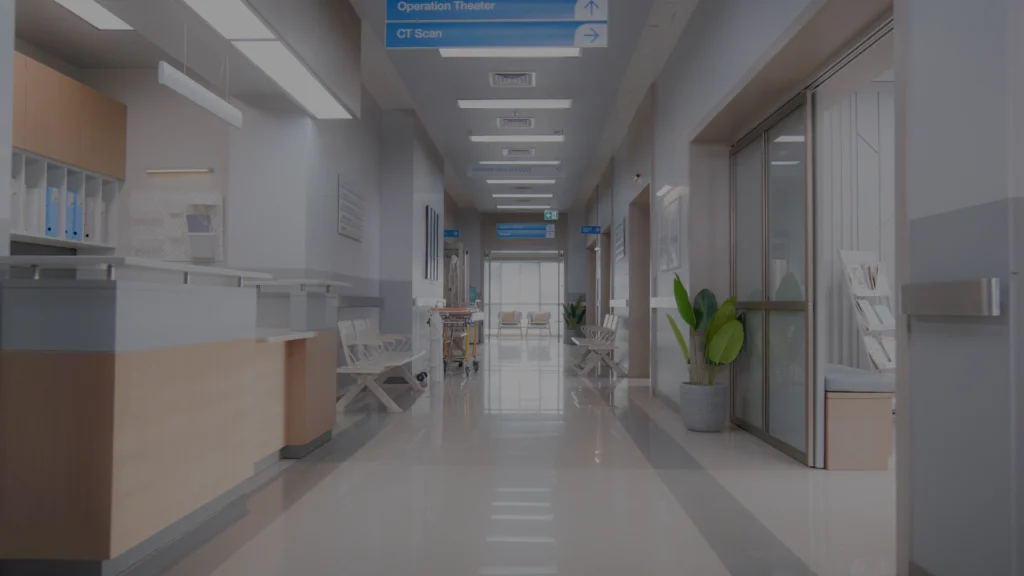
Walk into a well-run medical practice and the space usually feels calm, organised, and easy to navigate. Even the first time patients know where to go and staff moves between rooms without disruption. Everything seems to work in quiet coordination.
That sense of order rarely appears by chance. Behind it sits careful planning, practical design decisions, and a clear understanding of how healthcare environments function throughout the day.
This is where a medical fitout comes in. With this blog, let’s understand more about it.
What Is a Medical Fitout?
A medical fitout is the process of transforming an empty or existing healthcare space into a functioning facility.
Designers, builders, and healthcare professionals collaborate to organise the layout, install specialised services, and ensure the space suits clinical activities. Plumbing, electrical infrastructure, ventilation systems, and medical equipment are all considered before construction even begins.
Many healthcare providers rely on this type of specialised interior planning, including:
- General practice clinics
- Dental practices
- Physiotherapy centres
- Skin and cosmetic clinics
- Specialist practices such as cardiology, dermatology, or orthopaedics
- Day procedure facilities
Although these facilities vary in function, the objective remains the same. The space must support medical work while helping patients feel comfortable.
Also Read – How to Manage a Fitout Project Timeline & Avoid Delays
Key Considerations When Planning a Medical Fitout
Once the purpose of the clinic is defined, several design factors begin to shape the fitout. These include:
Compliance With Australian Healthcare Regulations
Compliance is critical, especially in the healthcare regime. There are strict safety standards laid by the Australian Commission on Safety and Quality in Health Care (ACSQHC). For this planning team reviews details such as:
- Ventilation requirements
- Flooring materials
- Fire safety systems, and
- Clinical hand-washing facilities
Addressing these factors early simplifies approval processes later.
Also Read – What is a Retail Fitout? How to Use Brand Storytelling to Boost Sales?
Efficient Layout and Workflow
Inside a busy clinic, there are constant movements. Doctors, nurses and patients continuously transition between consultations, examinations, treatment rooms and waiting areas. It’s crucial to have a clear layout so that these movements happen smoothly. This is usually achieved through thoughtful spatial planning such as:
- Reception and waiting areas positioned close to the entrance
- Consultation rooms located nearby
- Treatment and procedure rooms placed slightly deeper within the clinic
- Corridors designed wide enough
- Storage spaces placed close to treatment zones
Also Read – Lined Plasterboard in Commercial Fitouts: Why It’s the Go-To Material?
Infection Control and Hygiene
As much as hospitals are a space to treat infections and get your health back, these also serve as hubs of parasites, if ignored. Regular cleaning and sanitisation are part of the hospital memorandum. However, it’s the strategic fitout plans that ensure these cleaning processes happen well. For example using seamless flooring so cleaning is easy, installing hand-washing stations strategically so staff can access them during procedures, selecting medical-grade wall finishes that resist moisture and repeated disinfection.
Patient Comfort and Privacy
For many people, visiting a medical clinic can bring a degree of anxiety. The physical setting therefore plays an important role in shaping the patient experience.
Comfortable seating areas, balanced lighting, and clear signage help visitors settle into the environment more easily. Additionally, a lot of emphasis is placed over patients’ privacy which is also a medical ethic. For that, consultation rooms are built so conversations do not travel through walls or corridors. Small design decisions such as wall placement and acoustic insulation help protect that confidentiality.
Also Read – Dental Fitout Ideas: Enhancing Your Practice on a Budget
Accessibility and Inclusive Design
Healthcare spaces welcome people from many different backgrounds and physical abilities. Inclusive design ensures that every visitor can move through the clinic safely and independently. Wider corridors, accessible bathrooms, step-free entrances, and clear wayfinding signage all contribute to this accessibility. These adjustments also align with Australian building requirements for public facilities.
Technology and Medical Equipment Integration
Modern clinics depend heavily on technology. Diagnostic tools, imaging devices, electronic records, and telehealth systems all require reliable infrastructure.
During the planning stage, designers account for power capacity, data cabling, and the positioning of specialised equipment. Rooms must accommodate these systems without limiting staff movement. When technology is integrated thoughtfully, the clinic can operate efficiently without technical interruptions.
Also Read – Common Commercial Office Fitout Mistakes
Storage and Organisation
Medical practices manage a continuous flow of supplies throughout the day. Instruments, medications, disposable items, and patient documentation all require dedicated storage.
Well-planned cabinetry helps staff locate items quickly while maintaining a tidy environment. Sterile equipment often needs separate storage areas to preserve cleanliness standards. With organised storage systems in place, the clinic can operate more efficiently and maintain a professional appearance.
Acoustic Control and Lighting
Sound behaves differently inside busy healthcare environments. Phones ring, conversations travel through corridors, and equipment generates background noise.
Without acoustic planning, this noise can disrupt confidential consultations. Insulated walls, door seals, and sound-absorbing materials help control how sound moves between rooms. Lighting also deserves attention. Treatment spaces are brightly illuminated for examinations, while waiting areas benefit from softer lighting that encourages a relaxed atmosphere.
Also Read – How to Achieve the Ultimate Office Fit-Out in Melbourne
Sustainability and Energy Efficiency
Medical facilities often operate for long hours throughout the week. Over time, energy consumption becomes a noticeable operating expense.
Many modern fitouts therefore include efficient lighting systems, improved ventilation strategies, and environmentally responsible materials. In Australia, these approaches also support broader sustainability goals. Clinics benefit from lower operating costs while reducing their environmental impact.
Concluding Words
A medical fitout influences far more than the appearance of a clinic. When design decisions are made carefully, the environment quietly supports every stage of care.
At Juma Projects, we work closely with healthcare providers across Melbourne to deliver medical fitouts that balance design with practicality. From initial planning through construction and final handover, we manage each stage carefully. it creates spaces that meet Australian regulations while supporting the everyday needs of medical professionals.