

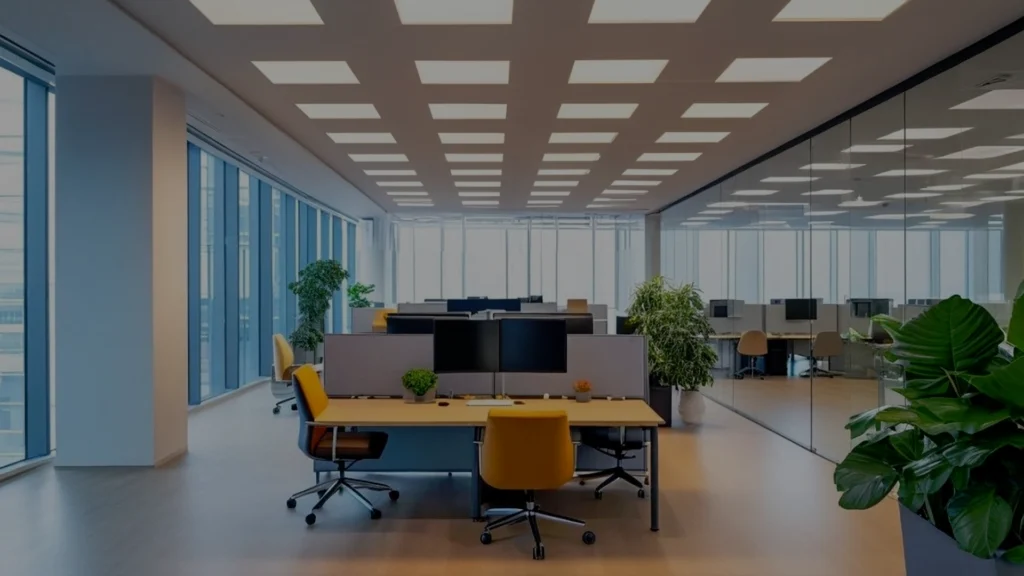
A retail fitout refers to the design and construction of a retail store interior. It shapes layout, lighting, fixtures, surfaces, and sensory cues to transform empty walls into suitable environments. More importantly, it converts bare floors into brand stages. As a result, the store becomes more than a place to buy things. It becomes an experience worth remembering.
However, a fitout alone does not guarantee sales. The kind of story you tell through the fitout matters more. Storytelling elevates the space by infusing emotion into structure. Therefore, when retail fitout and brand narrative merge, sales momentum follows.
Let’s see how.
What is a Retail Fitout?
A retail fitout is the complete personalisation of an internal commercial space for selling goods or services. It involves spatial planning, aesthetic direction, technical installation, and construction management. Through a combination of these elements, you shape how customers enter, wander, pause, and purchase.
The process begins with understanding the brand essence. Designers analyse the target audience, the merchandise category, and the competitive landscape. Then they craft a layout that maximises visibility and comfort. For example:
- Shelving placement influences browsing patterns.
- Counter positioning shapes transaction flow.
- Lighting direction alters product perception.
So, every design decision affects commercial outcomes.
A compelling fitout balances beauty with practicality. It must captivate customers while supporting staff efficiency. A poorly conceived layout, on the other hand, creates just the opposite, confusion and frustration.
Therefore, a retail fitout acts as both a marketing instrument and an operational framework. It communicates identity while enabling commerce.
Also Read – Lined Plasterboard in Commercial Fitouts: Why It’s the Go-To Material?
Why Retail Fitouts Matter for Business Success?
First impressions carry enormous weight in retail psychology. Customers form judgments within seconds of entry. Colours trigger emotional reactions, materials convey quality signals, and lighting influences mood and trust. In short, the environment becomes a silent salesperson.
An attractive office fitout increases foot traffic because it sparks curiosity. An intuitive layout extends browsing time because navigation feels effortless. Strategic product placement increases basket size because impulse buying thrives on visibility. Therefore, revenue grows when design aligns with behavioural science.
Retail fitouts also reinforce brand identity. For example, minimalist interiors signal modern sophistication, while luxurious finishes imply exclusivity. So, the environment narrates values without speaking.
On top of it all, a thoughtful fitout enhances staff productivity. Organised storage simplifies replenishment and logical zoning streamlines workflow. Even the right amount of lighting can play a significant role and reduce fatigue in customers. Therefore, operational efficiency improves alongside buyer satisfaction.
Also Read – How to Select the Right Office Fit Out Contractors in Melbourne?
The Power of Brand Storytelling in Retail Spaces
Storytelling transforms a fitout into an immersive experience. It connects products with purpose and helps customers purchase meaning rather than objects. However, weaving this strory is easier said than done. You need the right professional to do it effectively.
For starters, brand storytelling begins with origin. Where did the brand start? Why does it exist? What values guide its mission? These narratives must appear within the physical space. For instance, wall graphics can share founding stories. Display cards can explain craftsmanship. Interactive screens can showcase behind the scenes footage. This way, one can subtly establish authenticity and strengthen trust.
Further:
- Colour palettes reinforce narrative themes: From earthy tones to monochrome schemes and bold contrasts, each type communicates a unique idea.
- Product grouping can reflect lifestyle aspirations: Say, an athletic brand can recreate training environments or a homeware store can stage aspirational living spaces. This helps customers envision products within their own lives.
- Sensory elements amplify storytelling: Music shapes mood, scent evokes memory, and texture encourages touch. They deepen emotional engagement without much effort.
Also Read – Dental Fitout Ideas: Enhancing Your Practice on a Budget
Using Storytelling to Boost Sales
Emotion drives purchasing decisions, but logic justifies them afterward. Therefore, storytelling must target emotional resonance.
First, clarify the brand archetype and design accordingly. Is the brand a rebel, a caregiver, or an innovator? But whatever you pick, ensure consistency to build credibility.
Second, design experiential touchpoints. Create interactive zones that invite participation or encourage customers to test products or provide photo-worthy corners for social sharing. As a result, engagement expands beyond the store walls.
Third, maintain narrative coherence. Visual identity should remain consistent across signage, packaging, and uniforms. Meticulous alignment strengthens brand authority. Any inconsistency can erode the valuable trust of your customer.
Fourth, keep a keen eye on results, such as foot traffic patterns and dwell time in specific zones. You can also track conversion rates before and after redesign. This data informs future refinements.
Also Read – How long does an Office Fitout take?
Examples of Story-Driven Retail Fitouts
Here are a few unique examples. Each of these demonstrates a different narrative consistency and storytelling strategy.
- Consider the retail environments of Apple. Their stores embody minimalist precision. Glass facades invite transparency, whereas wooden tables present products like art pieces. This lets innovation and simplicity become palpable experiences.
- Examine Nike flagship spaces. They immerse visitors in athletic energy with digital displays and interactive zones. As a result, customers feel part of a sporting tribe.
Final Thought
A retail fitout represents investment and intention. And when storytelling infuses design, commercial power multiplies. Customers linger longer, purchases feel meaningful, and loyalty strengthens organically. In the end, sales growth becomes sustainable rather than accidental.
Retail is no longer about shelves alone. It has transcended beyond into a personal and emotional experience. So, businesses that master fitout design and storytelling will command attention in crowded markets.
If you need more help navigating this creative project, feel free to seek us out at Juma Projects. We will support you in crafting a memorable story through your retail fitout. You can reach us through email or phone, whichever you prefer.