

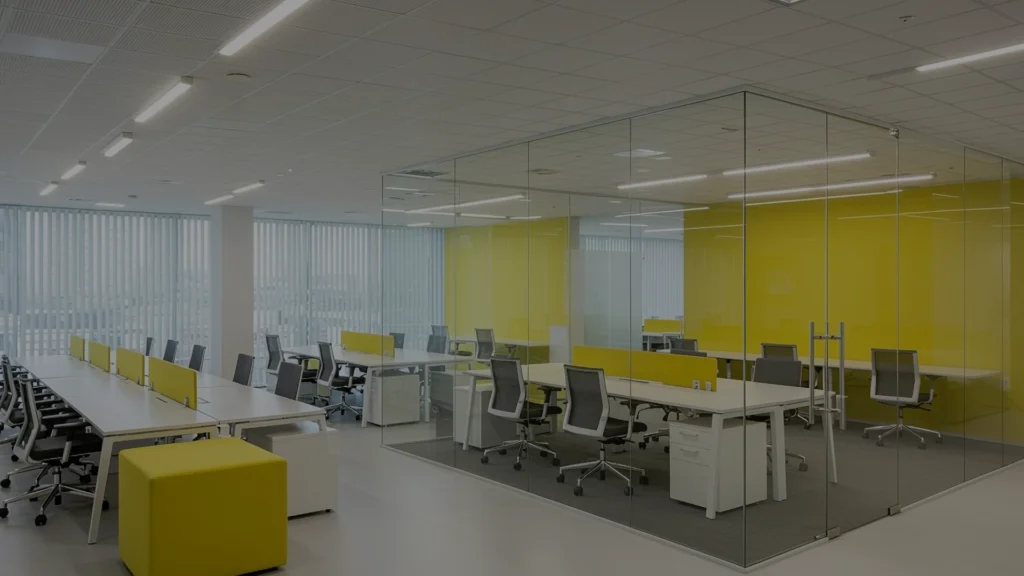
A commercial office fitout rarely follows the path that was decided during the planning phase. Trades overlap, materials arrive in phases and sometimes approvals can take longer than anticipated. Managing a fitout project effectively means that one must be able to shift focus towards keeping the project going regardless of delays. For that a well-thought of plan is imperative. In this blog we will talk to you about how you can ensure projects progress steadily and shield your investment.
Spend Enough Time on Planning
Most delays do not start on site but begin during planning.
When documentation feels rushed or decisions remain unresolved, trades pause mid-task to clarify details. That pause costs time. Multiply it across several contractors and the overall schedule stretches quickly. Strong early planning avoids that chain reaction.
At this stage, you are not only choosing finishes or colours, you are defining how the space will actually operate. In an office, that may involve traffic flow between departments. If it’s a café, it could mean service paths between kitchen and front-of-house. While in a gym, equipment placement affects power loads and clearances. In healthcare environments, room access and compliance standards demand careful sequencing. When these operational factors are considered early, fewer revisions surface later.
Thorough preparation usually includes:
- Building a realistic construction program that reflects council approval timelines and supplier lead times.
- Locking in key material selections before procurement windows tighten.
- Coordinating services layouts before framing and ceilings close access.
- Reviewing Australian energy efficiency standards during design development.
- Allowing a financial contingency within the approved budget.
Clear documentation creates confidence on site. Builders move forward without hesitation, electricians and plumbers also complete rough-ins knowing layouts will not change mid-way. Suppliers, too, schedule deliveries instead of scrambling to meet urgent calls. Time invested in structured planning almost always reduces friction once construction begins.
Also Read – Sustainable Practices in Commercial Office Fitouts
Hire the Right Team
The team you appoint influences more than workmanship. They are crucial to ensure the pace, coordination and the tone of the entire build goes in accordance with what was determined during the planning phase.
Experienced contractors read drawings carefully and ask the right questions early. They understand Melbourne permit processes and how to navigate inspections without disrupting progress. That depth of knowledge keeps the timeline steady and prevents avoidable setbacks.
A reliable team also recognises that many commercial projects take place within operating buildings. Coordinating work within those environments requires practical judgement more than technical skill.
When assessing potential partners, take time to:
- Review past commercial projects comparable in size and complexity.
- Speak with previous clients.
- Examine detailed cost breakdowns.
- Clarify milestone stages within the contract documentation
When professionals coordinate the build effectively, trades align with less friction. Communication flows more easily and issues are resolved early rather than escalating. That consistency supports both your timeline and your reputation in the market.
Also Read – Office Fitouts for Hybrid Work: Designing Spaces for Flexibility
Be Prepared for Contingencies
Construction involves multiple aspects. There are high chances that even with strong preparation, certain delays appear. These include:
- Extended council review periods
- Additional compliance clarifications
- Delays in imported fittings or custom joinery production
- Scope adjustments requested after work has commenced
- Hidden site conditions such as ageing wiring or uneven structural slabs
- Subcontractor shortages during peak construction periods
- Severe weather affecting transport or exterior task.
Each situation affects sequencing differently. When approvals stall, trades have to wait. Similarly, when materials arrive late, installation dates can shift. Even modest layout revisions can alter several work streams at once.
Acknowledging these realities allows you to plan well. Practical preparation may involve:
- Adding buffer time within the program to absorb minor disruptions
- Ordering long-lead materials as soon as design approval is secured
- Conducting detailed site investigations before demolition begins
- Documenting variation processes clearly to manage scope changes
- Holding regular coordination meetings with suppliers and subcontractors
Contingency planning does not remove every unexpected turn. What it does provide is stability. Instead of reacting under pressure, you adjust methodically. That steady response maintains stakeholder confidence and keeps the broader completion date within reach.
Also Read – How to Select the Right Office Fit Out Contractors in Melbourne?
Ensure Open and Consistent Communication
A fitout brings together business owners, designers, consultants, builders and trades. When information flows clearly between them, the program moves with fewer interruptions.
Regular site meetings, written summaries and shared schedules reduce confusions across decisions. Additionally, it provides clear visibility over upcoming stages. When expectations align, approvals happen faster and trades transition smoothly from one phase to the next.
Inconsistent communication often leads to duplicated effort or conflicting instructions. Assumptions and minor misunderstandings can creep in. In commercial environments, that uncertainty can affect operational planning and cost forecasting. Ongoing transparency keeps everyone working toward the same milestone.
Also Read – How to Plan a Commercial Fitout in Melbourne on a Budget?
Keep Monitoring the Progress
Even the strongest plan requires active oversight. As the site conditions evolve deliveries will require adjustments. Trade sequencings can also shift. Regular walkthroughs and milestone checks highlight small deviations before they expand. Maintaining visibility until final handover ensures the timeline remains aligned with your broader business objectives.
Winding Up
A fitout timeline influences far more than construction dates. When preparation is thorough, workers are experienced and communication remains clear, the project feels controlled rather than chaotic.
With nearly two decades of experience delivering commercial fitouts across Melbourne, we at Juma Projects guide projects from concept through handover with steady coordination and practical insight. Our team manages compliance, sequencing and site supervision carefully, delivering functional interiors backed by a five-year workmanship guarantee. Contact us to learn more about our services.