

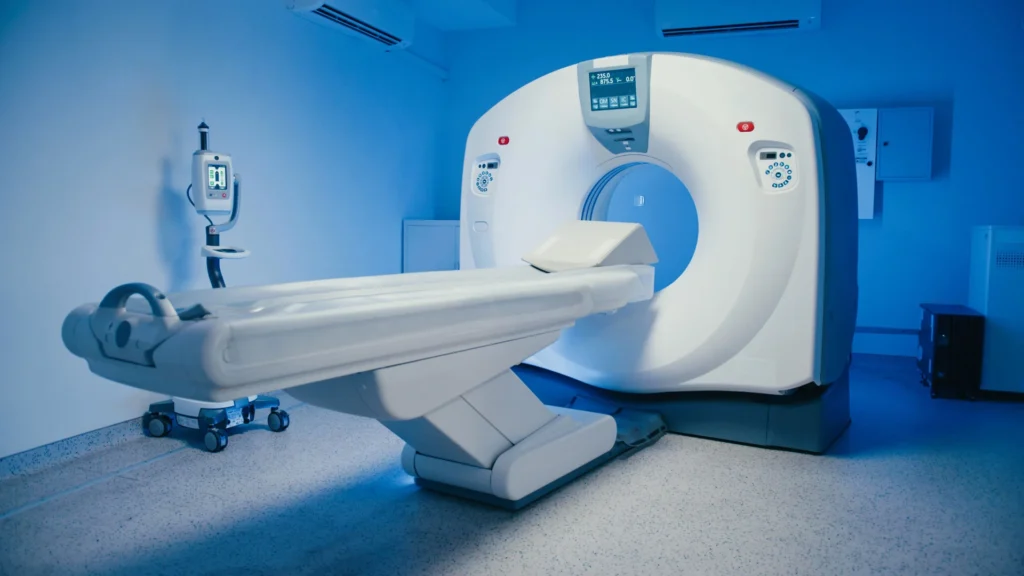
Planning a radiology fitout takes more than choosing equipment and arranging rooms. You need to think about safety, workflow, compliance, and patient comfort at every step. A well planned space helps your team work efficiently and gives patients a better experience. If you are preparing for a new radiology clinic or upgrading an existing one, this guide will walk you through what you need to know.
Start with a clear plan
Begin by defining your goals. Decide what services you will offer. You may include X ray, MRI, CT scan, ultrasound, or a mix of these. Each service needs a different setup, so your plan must match your services. Think about the number of patients you expect each day. This helps you decide the size of rooms, waiting areas, and staff zones.
Work with experienced professionals early in the process. Architects, fitout specialists, and medical planners can help you design a layout that works well from the start. This step saves time and avoids costly changes later.
Also Read – Medical Fitout Design: Patient Experience Vs Staff Collaboration
Understand compliance and regulations
Radiology spaces must meet strict safety standards. In Australia, you must follow radiation safety guidelines and local building codes. You also need approval from relevant authorities before you begin operations.
Shielding plays a key role in radiology fitouts. Walls, doors, and windows must block radiation to protect staff and patients. The level of shielding depends on the type of equipment you use. For example, CT and X ray rooms require specific lead lining based on usage levels.
You also need to plan for proper signage and safety zones. Mark controlled and supervised areas clearly. Install warning lights outside imaging rooms to indicate when equipment is in use.
Also Read – How To Manage A Fitout Project Timeline & Avoid Delays
Design for efficient workflow
A good layout improves productivity and reduces stress for staff, so you must place rooms in a logical order. Patients should move easily from reception to waiting areas and then to imaging rooms.
Keep staff movement in mind as well. Radiologists, technicians, and nurses should access equipment and workspaces without delays. Position reporting rooms close to imaging areas so staff can review scans quickly.
Storage areas must be easy to reach. You need space for medical supplies, protective gear, and cleaning materials. Keep these areas organised to avoid clutter in clinical zones.
Focus on patient comfort
Radiology visits can make patients feel anxious. A thoughtful design can help them feel more at ease. Start with a welcoming reception area. Use comfortable seating and clear signage so patients know where to go.
Lighting and colours also affect how patients feel. Choose soft lighting and calm colours to create a relaxed environment. Reduce noise where possible, especially near MRI rooms which can be loud during operation.
Provide private changing areas for patients. These spaces should feel clean, safe, and easy to use. Add clear instructions so patients understand what to do before their scan.
Choose the right equipment
Your equipment will shape your fitout design. Each machine has specific size and installation requirements. For example, MRI machines need more space and special shielding compared to ultrasound units.
Plan for equipment delivery and installation early. Some machines require reinforced flooring or special access points. You may need to remove walls or widen doorways during installation.
Also consider future upgrades. Technology changes quickly in the medical field. Design your space so you can add or replace equipment without major disruption.
Plan for electrical and mechanical systems
Radiology equipment uses a large amount of power. You must ensure your electrical system can handle this load. Work with engineers to design a system that supports all machines safely.
Cooling and ventilation are also important. Imaging equipment generates heat, so you need proper air conditioning to maintain safe temperatures. Good ventilation improves air quality and keeps the environment comfortable for staff and patients.
Backup power systems can protect your operations during outages. Installing an uninterruptible power supply helps prevent data loss and equipment damage.
Incorporate digital systems
Modern radiology clinics rely on digital technology. Picture Archiving and Communication Systems allow you to store and share images easily. Radiology Information Systems help manage patient data and scheduling.
Plan your IT infrastructure during the fitout stage. Ensure you have strong network connections and secure data storage. This supports smooth operations and protects patient information.
You should also create dedicated workstations for reporting and analysis. These areas need proper lighting and ergonomic furniture to support long working hours.
Prioritise hygiene and infection control
Cleanliness matters in any medical setting. Choose materials that are easy to clean and resistant to bacteria. Flooring, walls, and surfaces should handle frequent cleaning without damage.
Install hand washing stations at key points. Staff and patients should access these easily. Use clear signage to promote hygiene practices.
Separate clean and dirty areas to reduce the risk of contamination. This includes waste disposal zones and storage for used equipment.
Budget and timeline planning
A radiology fitout requires careful budgeting. Costs include design, construction, equipment, and compliance. Set a realistic budget and allow some flexibility for unexpected expenses.
Create a clear timeline for the project as delays can affect your opening date and revenue. Work closely with your fitout team to track progress and solve issues quickly.
Regular communication helps keep the project on track. Schedule updates with all stakeholders so everyone stays aligned.
Test and review before opening
Before you open your clinic, test all systems and equipment. Check that imaging machines work correctly and meet safety standards. Review workflows to ensure staff can perform tasks efficiently.
Train your team on new equipment and systems. This builds confidence and reduces errors during daily operations.
Conduct a final inspection to confirm that your fitout meets all regulations. Once everything is ready, you can open your clinic with confidence.
Final thoughts
Planning a radiology fitout requires attention to detail and a clear understanding of your needs. When we focus on safety, workflow, and patient comfort, we create a space that supports both staff and patients. With the right planning and professional support, a radiology clinic can operate efficiently and remain functional for years.
At Juma Projects, we understand that healthcare fitouts need precision, compliance, and practical design. We work closely with clients to deliver radiology spaces that support smooth workflows, meet industry requirements, and create a comfortable environment for patients and staff. If you are planning a radiology fitout, we can help bring your vision to life with tailored solutions built around your needs.