

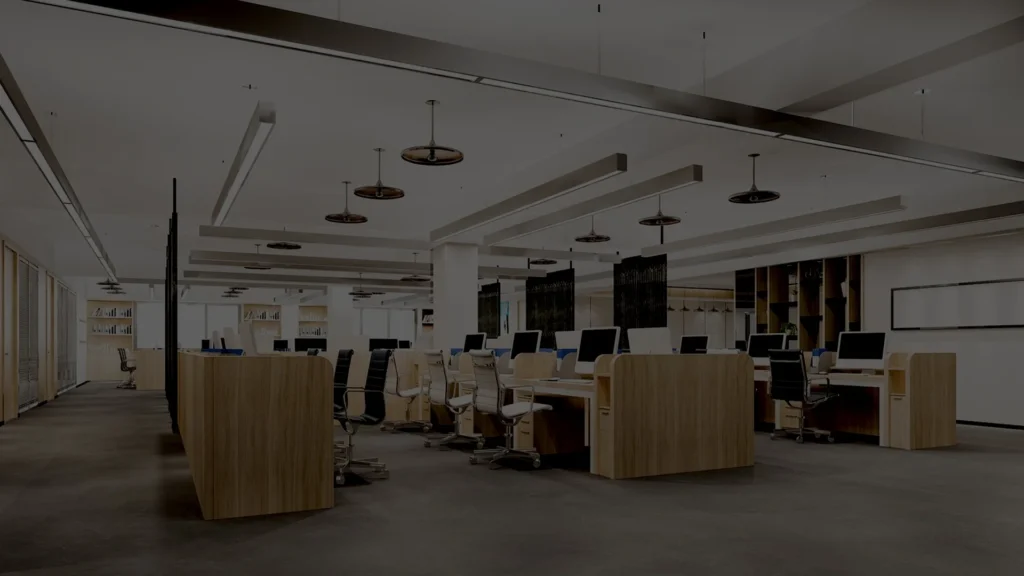
A commercial office fitout gives you the chance to create a workspace that looks good, works well and uses resources wisely. With more Australian businesses focusing on their environmental impact, sustainability is now becoming an important part of office design.
An eco-friendly fitout does not mean you have to sacrifice comfort or style. With the right choices, businesses can reduce waste, use energy more efficiently and create a healthier workplace for their teams.
Here are some practical eco-friendly practices to consider when planning a commercial office fitout.
Choose Sustainable Materials
The materials you choose can affect the environmental impact of your office fitout. Rather than choosing products based only on appearance or price, consider where they come from, how they are made and how long they are likely to last.
You can consider materials such as recycled timber, bamboo, recycled metal and products made from recycled content. Low-VOC paints and adhesives can also help improve indoor air quality because they release fewer harmful chemicals.
Durability matters too. High-quality materials may cost more at the start, but they can last longer and reduce the need for frequent replacements. This can help reduce waste over time while also saving money on future repairs and renovations.
Also Read – What Is Included In A Commercial Office Fitout?
Reduce Construction Waste
Office fitouts can create a considerable amount of waste. Old furniture, flooring, plasterboard, packaging and other materials can quickly end up in landfill if businesses do not plan their waste properly.
A better approach starts before construction begins. Contractors can identify materials that they can reuse, recycle or donate. Existing doors, fittings, furniture and other suitable items may have plenty of life left in them.
Businesses can also work with fitout contractors that have clear waste management practices. Separating materials during construction makes recycling easier and reduces the amount of waste sent to landfill.
Even small decisions can add up when a project involves a large amount of material.
Improve Energy Efficiency
Energy use is another important area to consider. Offices rely on lighting, heating, cooling, computers and other equipment throughout the working day. Choosing efficient systems can reduce energy consumption and ongoing operating costs.
LED lighting is a simple place to start. LEDs generally use less energy and last longer than traditional lighting options. You can also install motion sensors or timers in areas such as meeting rooms, kitchens and storage spaces so lights do not stay on when nobody is using them.
Good office design can support energy efficiency too. Making better use of natural light can reduce the need for artificial lighting during the day. Proper insulation, efficient glazing and well-planned ventilation can also help maintain a comfortable indoor temperature.
Also Read – Tips For Your New Gym Fitout
Make Better Use of Natural Light
Natural light can make an office feel more open and welcoming. It can also reduce the need for artificial lighting during daylight hours.
During the design stage, consider how sunlight enters the space. Open work areas, glass partitions and carefully positioned meeting rooms can help distribute natural light across the workplace.
You should still consider glare and heat gain. Blinds, window treatments and suitable glazing can help control sunlight without blocking it completely.
A well-planned layout can therefore support both employee comfort and energy efficiency.
Choose Sustainable Furniture
Furniture is another area where businesses can make more responsible choices. Instead of replacing everything during a fitout, consider whether existing desks, chairs and storage units can be repaired, refurbished or reused.
When you need new furniture, look for durable products that can handle everyday office use. Furniture made from recycled or responsibly sourced materials can also support your sustainability goals.
Modular furniture can be particularly useful. You can move or reconfigure these pieces when your business changes instead of replacing them completely. This can extend their useful life and reduce unnecessary waste.
Also Read – Must Have Café Design Ideas For Your Dream Coffee Shop
Use Water Efficiently
Water-saving features can also play a role in an environmentally responsible office. Bathrooms and kitchen areas are good places to start.
Water-efficient taps, toilets and other fixtures can reduce water consumption without affecting everyday use. Businesses can also look at how their cleaning teams use water and cleaning products.
Where the office includes landscaping, choose plants that suit the local climate and do not require excessive watering. These simple choices can help reduce water use over the long term.
Consider Indoor Air Quality
Sustainability is not only about reducing environmental impact. It also involves creating a healthier workplace.
Good ventilation can help maintain indoor air quality, while low-VOC paints, adhesives and finishes can reduce the release of certain chemicals into the office environment.
Plants can also add a natural touch to an office, although they should complement rather than replace proper ventilation and air quality systems.
A comfortable and healthy workplace can make employees feel better about the space they spend much of their working day in.
Also Read – Pharmacy Fitouts Design Elements That Increase Profits
Plan for the Future
A sustainable office should be able to adapt as the business grows. Poorly planned fitouts can lead to unnecessary renovations when teams expand, work patterns change or businesses introduce new technology.
Flexible layouts can make future changes easier. Movable partitions, modular furniture and adaptable work areas allow businesses to modify the space without starting another major fitout from scratch.
This approach can reduce future material use, construction waste and costs.
Work With an Experienced Fitout Team
At Juma Projects, we believe a sustainable office should be practical, comfortable and built to support your business for years to come. We help businesses plan commercial office fitouts with a focus on smart design, quality materials and efficient use of space. From the initial planning stage to the final fitout, we work with you to create a workspace that meets your needs while considering sustainable practices.
If you are planning a commercial office fitout, get in touch with Juma Projects to discuss how we can help you create a functional and more environmentally responsible workplace.