

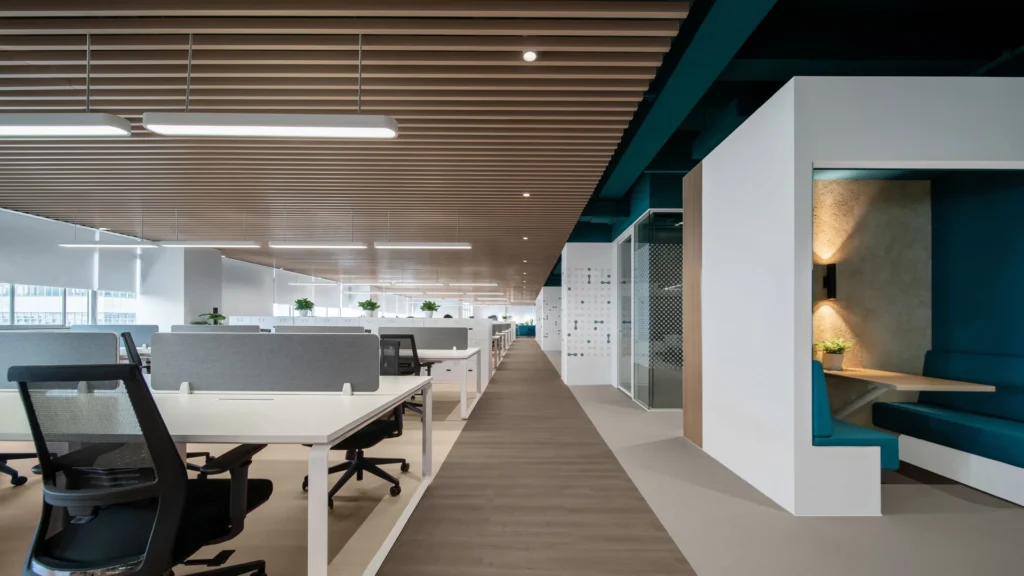
Sustainability has become a central priority in commercial office fitouts across Australia. With rising energy prices, increasing environmental consciousness, and government targets for emissions reduction, businesses are now rethinking how their workspaces are designed, built, and operated. A sustainable office fitout not only reduces long-term operating costs but also improves employee wellbeing and strengthens a company’s environmental credentials. As more organisations commit to ESG goals and carbon-footprint reduction, sustainable fitouts are becoming the new benchmark for modern commercial spaces.
Below are some of the most effective and widely adopted sustainable practices in Australian commercial office fitouts today.
1. Choosing Eco-Friendly and Low-Impact Materials
Sustainable fitouts start with responsible material selection. Australian businesses increasingly choose low VOC paints and finishes that minimise harmful emissions and improve indoor air quality. Many projects also use recycled and reclaimed timber for wall cladding, joinery and feature elements. Green Star certified materials help teams meet national sustainability standards. Recycled metal and eco certified flooring materials, including carpet tiles made from recovered nylon, also feature in modern fitouts.
These materials create healthier indoor environments and reduce dependence on resource heavy manufacturing. Local sourcing further reduces transport emissions and supports Australian suppliers who focus on sustainable production.
Also Read – Office Fitouts for Hybrid Work
2. Maximising Natural Light for Energy and Wellness Benefits
Lighting contributes heavily to energy use in commercial buildings. Modern fitouts respond by adopting open plan layouts that bring daylight into deeper zones. Offices often replace solid walls with glass partitions and use reflective surfaces to spread natural light more evenly.
Maximising natural light reduces electricity consumption and supports employee wellbeing. Research shows that well lit workspaces improve mood, concentration and overall productivity, which makes natural lighting an important part of sustainable interior design.
3. Installing Energy Efficient Electrical and HVAC Systems
Energy efficient systems sit at the core of sustainable office fitouts. Many fitouts now include LED lighting with occupancy sensors and daylight dimming, smart HVAC controls that adjust temperature based on foot traffic and time of day, energy rated appliances for kitchen and breakout areas, along with zoned heating and cooling that allow precise control over energy use.
Large workplaces often use Building Management Systems which monitor electricity, heating, ventilation and air conditioning usage. These systems provide real time data that helps teams optimise energy use on a continuous basis.
Also Read – How to Select the Right Office Fit Out Contractors in Melbourne?
4. Reducing Waste Through Responsible Construction Practices
Fitout projects usually create large volumes of waste, but modern sustainable practices help reduce it. Common methods include detailed planning that minimises offcuts and surplus materials, modular joinery that lowers waste during fabrication, segregation and recycling of timber, metal, plasterboard and cardboard, and reusing structural elements, ceiling grids and furniture whenever possible.
Australia’s growing focus on a circular economy increases awareness of how construction waste affects sustainability. Reusing materials and recycling demolition waste reduce the overall environmental impact.
Also Read – How to Plan a Commercial Fitout in Melbourne on a Budget?
5. Sustainable and Future-Proof Furniture Choices
Furniture has a major influence on the sustainability of a fitout. Businesses now lean towards:
- Furniture made from recyclable or renewable materials.
- Workstations designed for disassembly, repair, and long-term reusability.
- Modular pieces that can adapt to changing workspace layouts.
- Suppliers that follow ethical and low-carbon manufacturing processes.
Ergonomically designed, eco-friendly furniture not only lasts longer but also enhances employee comfort and reduces the need for frequent replacement.
6. Integrating Biophilic Design and Indoor Greenery
Biophilic design is a growing trend in sustainable fitouts, connecting employees with nature through:
- Indoor plants in shared spaces and individual workstations.
- Vertical green walls in reception or breakout areas.
- Natural materials such as timber, stone, and textured surfaces.
- Organic shapes and patterns within the décor.
These elements improve air quality, reduce stress, and boost morale. Given the amount of time Australians spend indoors, especially in office environments, biophilic elements have significant psychological and productivity benefits.
7. Using Water-Saving Fixtures and Appliances
Australia’s water scarcity concerns make water-saving design essential. Sustainable fitouts include:
- Sensor-based taps that prevent unnecessary flow.
- Dual-flush toilets with reduced water consumption.
- Water-efficient dishwashers, hot water systems, and filtered tap solutions.
- Aerators that regulate water pressure and limit wastage.
In large offices, integrating water meters or smart monitoring tools helps businesses track water consumption as part of their sustainability goals.
8. Using Technology to Monitor and Maintain Sustainability Standards
Digital tools play a growing role in Australian office fitouts. Workspaces now include:
- Air quality and CO₂ sensors.
- Energy-use dashboards and mobile-based monitoring.
- Reporting tools aligned with NABERS and Green Star certifications.
These technologies help businesses maintain accountability, track improvements, and ensure long-term compliance with environmental standards.
Also Read – Common Commercial Office Fitout Mistakes
Why Sustainable Fitouts Matter for Australian Workspaces?
Sustainable practices lead to:
- Reduced operational costs.
- Better indoor environments for employee health and satisfaction.
- Lower energy and water usage.
- Improved NABERS or Green Star ratings.
- Stronger workplace culture and brand appeal.
- A measurable contribution to national emissions goals.
With employees increasingly valuing environmentally responsible employers, sustainable fitouts also support long-term talent attraction and retention.
Final Thoughts
Sustainable office fitouts are shaping the future of Australian workplaces. By incorporating eco-friendly materials, efficient systems, biophilic design, and technology-led sustainability monitoring, businesses can create work environments that are both high-performing and environmentally responsible. Every design and construction choice, from lighting to furniture, plays a role in reducing environmental impact and enhancing overall workplace quality.
Juma Projects specialises in environmentally conscious commercial fitouts tailored to Australian standards and caters to organisations wanting to bring sustainability into their next workspace upgrade. With a focus on smart design, high-quality craftsmanship, and sustainable construction practices, we help businesses create modern offices that support people, performance, and the planet.