

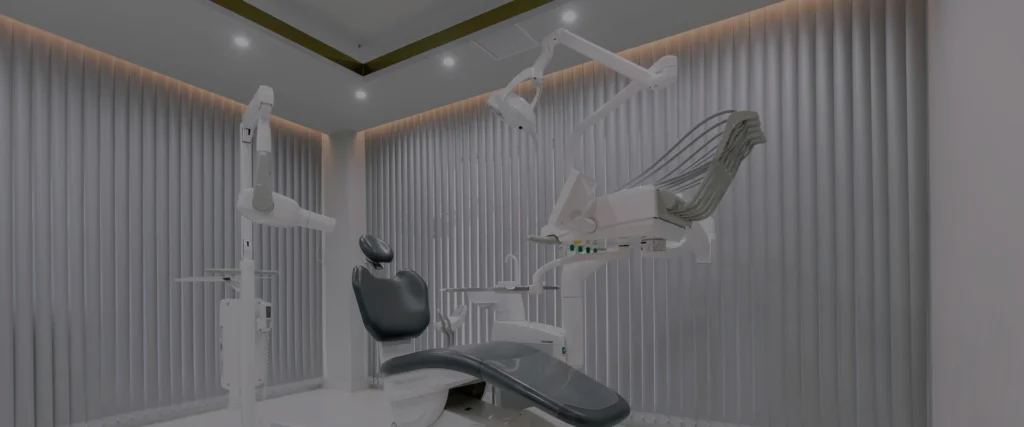
Providing high quality care isn’t just about expertise, equipment, or affordability; the design of the clinic is just as crucial as any of these. This is finally getting its due recognition in the dental industry, for all the right reasons which include enhanced workflow efficiency, patient comfort, safety of the staff, etc.
However, it is key to know what optimal or ergonomic designing means for a dental fitout in Melbourne. From layout to furniture, every aspect deserves care and attention. Here are the steps to follow:
Learning Key Components of an Ergonomic Dental Fitout
Everyone constructs their clinic according to their budget and requirements—and that is how it should be. Still, in an ergonomic fitout, some things are more important than others. The 6 key ones are as follows.
1. The Layout
The physical arrangement of your clinic should allow smooth operations. In other words, it should:
- Have a logical flow from reception to treatment rooms
- Minimise unnecessary movement
- Include designated storage areas for easy access of supplies
With these considerations, the layout will be easily navigable and less obstructing. This means a lot for your staff while they’re going about their everyday activities.
2. Ergonomic Dental Chairs
Regular dental chairs do the bare minimum. If you expect better comfort, consider looking for more ergonomically designed dental chairs. They offer adjustable height, reclining positions, proper lumbar support, and swivel functionality. With such capabilities, you provide optimal comfort for your patients and the practising dentist.
3. Operator Stools
Dentists and dental assistants spend long hours seated. Providing them with essential comfort here is much needed. An ergonomic operator stool comes with adjustable height, lift, adequate back support, and a saddle design to promote natural posture. Just as the dental chair, this also enhances the overall comfort during a dental procedure.
4. Strategic Lighting
It’s not enough to fit a few lights here and there randomly, and light them up. Lighting, when planned strategically, can offer terrific support at the clinic. It reduces eye strain and improves visibility, making work more effortless.
So, for your dental fitout in Melbourne, consider incorporating:
- Overhead LED lights for ambient lighting
- Adjustable task lighting for specific procedures
- Natural light (where possible) to reduce fatigue
5. Workstations and Storage
Keeping workstations organised is also crucial to reduce clutter and improve accessibility. Yet, it can be hard to keep up with all the work at hand. Hence, you may explore options like building custom cabinetry with designated compartments for instruments. This reduces the need to organise frequently.
Similarly, mobile storage units also add much flexibility to the workspace. Choosing hands-free bins is also a good idea to reduce contamination risk.
6. Technology Integration
Modern dental clinics rely on technology for efficient operations. Ergonomic considerations in this aspect include:
- Adjustable computer monitors to reduce neck strain
- Digital patient records to minimise paperwork clutter
- Hands-free foot controls for dental equipment
With these advanced additions, the work at the clinic becomes so much more efficient and smooth.
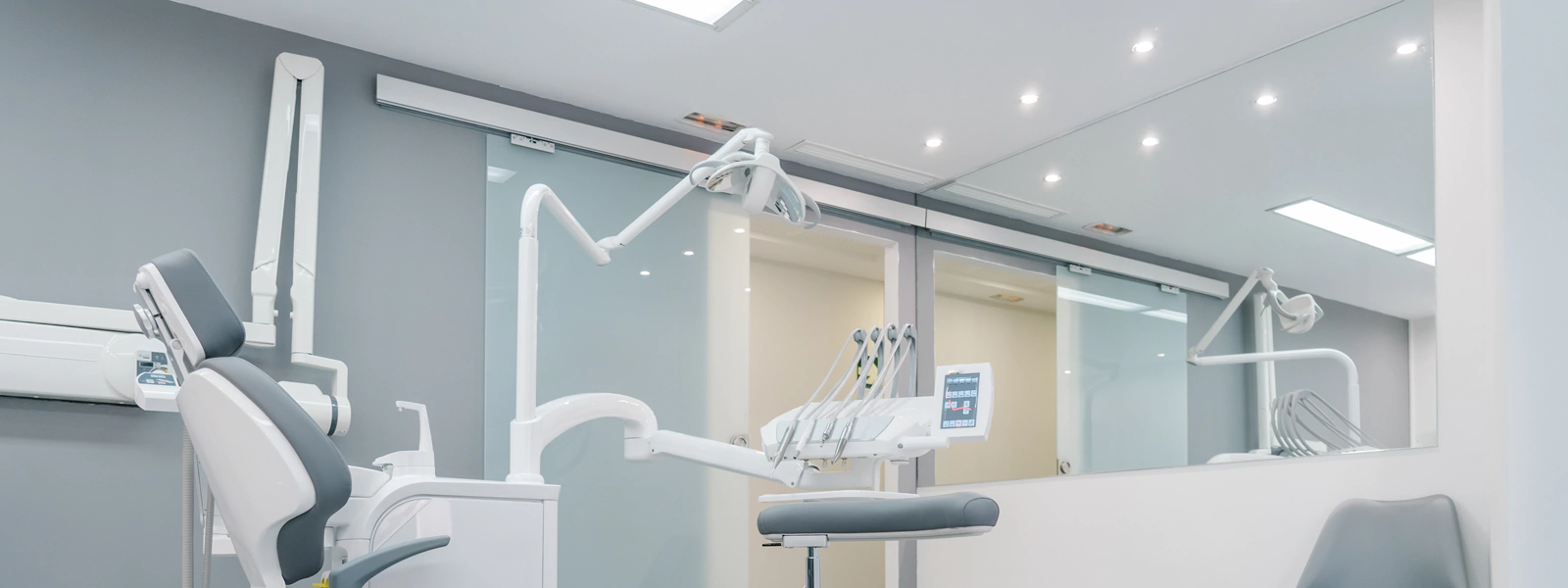
Implementing an Ergonomic Dental Fitout
Even after knowing what is all required for an ergonomic dental fitout, one can’t do it without a proper process and strategy in place. So, here are the steps you need to implement your Melbourne dental fitouts.
First things first:
1. Access Current Workflow and Needs
Before designing or redesigning your clinic, conduct a thorough assessment of your current workflows, pain points, and areas for improvement. Gather feedback from your staff as well to understand the present ergonomic challenges at work.
This serves as a great starting point.
2. Plan the Layout
As discussed before, a well-planned layout can minimise unnecessary movement and enhance efficiency at work. So, work with an experience provider, who specialises in ergonomic designs, and create a plan together. Remember to focus on space utilisation and traffic flow.
3. Invest in Quality Ergonomic Equipment
From chairs to stools to organisers, make sure to choose all the things you think will help you with your job. However, make sure not to go too deep into this at once. Take one step at a time, and ideally with a professional’s guidance.
4. Optimise Instrument and Supply Storage
To store your instruments and supplies, use labeled compartments, mobile storage units, desk organisers, and modular systems. Depending on your budget, you can also go a notch up and get sensor-operated drawers and overhead cabinetry.
5. Work on Your Lighting Solutions
Professionals always install overhead and task lighting to enhance visibility. Some even prefer adjustable lighting for different procedures, while others maximise the use of natural light. While they’re all great ideas, what’s best for you depends on what you need.
6. Give Staff Adequate Ergonomic Training
Last but not least, training the staff is also a key step in an ergonomic dental fitout for optimal efficiency. So, train your people how to use the equipment, furniture, and tools installed at work.
Final Thoughts:
The bottom line is that ergonomic dental fitouts help a lot in managing everyday work. However, it is crucial to plan it with expert guidance. Taking decisions randomly can create an imbalance in the whole design. Keep your goals clear, stick to the plan, and follow the guidelines shared above.
For further help or queries, feel free to contact our experts at Juma Projects. We’re one of the leading providers of commercial fitouts in Melbourne. Get in touch so we can discuss your project better.