

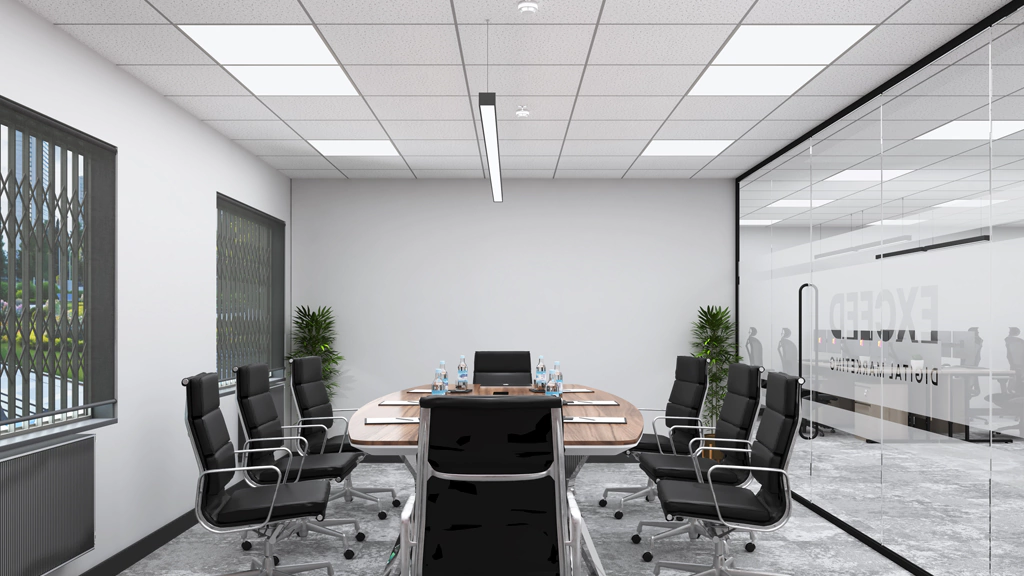
Lighting plays an important role in creating a comfortable, productive and welcoming workplace. The right lighting helps employees focus on their tasks, reduces eye strain and makes the office feel more inviting. However, one lighting setup may not work for every area. Workstations, meeting rooms, reception areas and breakout spaces all serve different purposes, so each needs a suitable lighting solution.
When planning commercial and office fitouts, businesses should consider how employees use each space throughout the day. Here is how to choose the right lighting for different office areas.
1. Workstations and Open-Plan Offices
Employees spend much of their working day at their desks, so workstation lighting needs careful planning. Poor lighting can cause eye strain, headaches and fatigue, especially when employees work on computers for long periods.
LED panel lights and recessed ceiling lights provide even illumination across open-plan offices. They spread light throughout the space and reduce harsh shadows. Businesses should also position lights carefully to prevent glare on computer screens.
Where possible, combine general ceiling lighting with adjustable desk lamps. These allow employees to control the light around their workstations based on their tasks and preferences. Natural light also helps create a pleasant working environment, so place desks near windows when practical.
Also Read – Cafe Fit-Out Checklist: Complete Equipment Guide
2. Meeting and Conference Rooms
Meeting rooms support presentations, team discussions, client meetings and video conferences. Lighting should help people communicate comfortably while allowing them to view screens and presentation materials clearly.
Dimmable LED lights work well in these spaces because employees can adjust the brightness for different activities. Brighter lighting suits discussions and collaborative work, while softer lighting can improve screen visibility during presentations.
Businesses should also consider video conferencing requirements. Even lighting across faces helps employees look clear on camera and reduces distracting shadows. Avoid placing strong lights directly behind people, as this can make their faces appear dark on screen.
A well-planned lighting setup allows meeting rooms to support different activities without compromising comfort or visibility.
3. Reception and Waiting Areas
The reception area creates the first impression of an office. Its lighting should reflect the business’s identity while making visitors feel welcome.
Warm or neutral lighting can create a comfortable atmosphere, depending on the company’s branding and interior design. Pendant lights, decorative fixtures and recessed lighting can add visual interest while providing enough illumination for visitors to move around safely.
Businesses can also use accent lighting to highlight reception desks, company logos, feature walls and decorative elements. However, decorative lights should not replace the general lighting that visitors and reception staff need.
The goal is to create a balanced space that looks professional, feels inviting and allows reception staff to complete their daily tasks comfortably.
Also Read – Who Pays For Full Commercial Buildout: Landlord Or Tenant?
4. Breakout Areas and Staff Kitchens
Breakout spaces give employees a place to relax, eat, socialise and take short breaks from their desks. Unlike workstations, these areas do not always need bright, uniform lighting.
Warm lighting can make staff kitchens, lounges and informal seating areas feel more relaxed. Pendant lights above dining tables and softer ambient lighting around lounge seating can help create a comfortable atmosphere.
However, lighting should still support practical tasks. Staff need enough brightness to prepare food, clean surfaces and move around safely. Under-cabinet LED lights can improve visibility in kitchen areas, while ceiling lights provide general illumination.
A combination of ambient and task lighting helps businesses create breakout spaces that feel comfortable without sacrificing functionality.
5. Private Offices and Focus Rooms
Private offices and focus rooms require lighting that supports concentration and individual work. Employees may use these spaces for writing, reading, video calls or tasks that demand close attention.
General LED lighting provides a consistent level of brightness, while adjustable desk lamps offer additional illumination when needed. Businesses should select fixtures that distribute light evenly and minimise glare on screens and documents.
Natural light can also improve the working environment. Where possible, position desks near windows without allowing direct sunlight to create uncomfortable glare. Blinds or adjustable window coverings can help employees manage changing daylight throughout the day.
For offices used by different employees, flexible lighting controls offer greater comfort and allow individuals to adjust the space to suit their work.
Also Read – Office Fit Out Companies: How To Compare Quotes And Shortlists
6. Corridors, Staircases and Utility Areas
Corridors, staircases, storage rooms and other utility areas need reliable lighting to support safe movement. Although these spaces may not require the same visual appeal as reception areas, businesses should not overlook them during an office fitout.
LED ceiling lights, wall-mounted fixtures and suitable motion-sensor lights can provide effective illumination. Motion sensors are particularly useful in areas with occasional foot traffic because they switch lights on when someone enters and help reduce unnecessary energy use.
Staircases and changes in floor level need enough light for employees and visitors to see potential hazards clearly. Emergency lighting and illuminated exit signs are also essential parts of workplace safety planning. Businesses should check applicable building regulations and Australian Standards to ensure these systems meet the required specifications.
7. Choosing Energy-Efficient Lighting
Energy efficiency matters when businesses plan office lighting. LED lights generally use less electricity than traditional lighting options and often last longer, helping reduce energy bills and maintenance requirements.
Businesses can also install lighting controls, occupancy sensors and daylight sensors to avoid using more light than necessary. These systems adjust lighting based on room occupancy or available natural light.
Colour temperature also affects how a space feels. Cooler white light often suits task-focused environments, while warmer light can create a relaxed atmosphere in breakout areas. The best choice depends on the activity, interior design and comfort of the people using the space.
Rather than choosing fixtures based on appearance alone, businesses should consider light output, energy consumption, glare control and maintenance needs.
Conclusion
Choosing the right lighting for different office areas helps businesses create workplaces that support productivity, comfort and safety. From bright workstation lighting to welcoming reception fixtures and softer breakout area lighting, every space needs a solution that suits its purpose.
At Juma Projects, we understand the importance of thoughtful office design. We help businesses create functional and inviting workspaces by considering lighting, layouts and other essential fitout elements. Our goal is to deliver office environments that balance style, comfort and practicality while meeting the needs of modern workplaces.