

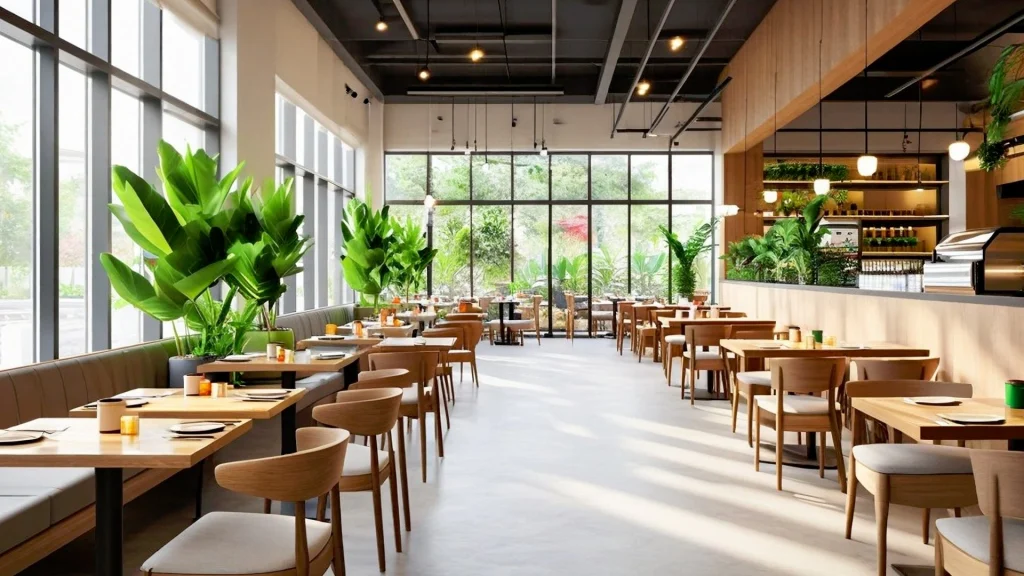
Opening a cafe in Australia remains one of the most rewarding hospitality ventures, and 2026 rewards smart planning. A typical cafe fit-out runs from $100,000 to $350,000 or more, with compact kiosks starting around $60,000 and full restaurant kitchens exceeding $600,000. Commercial equipment takes 40% to 60% of the total budget, so settle your equipment line before choosing finishes. This guide covers a department-by-department equipment checklist, 2026 compliance updates and practical ways to protect your cash flow from the first deposit to opening day.
The 2026 Cafe Fit-Out Budget Breakdown
Most cafes sit in one of three tiers, and floor area is the best starting point for your budget. Rising import costs and supply chain timing also shape the numbers, and new building codes add detail to the plan, so it helps to confirm your equipment list early and price it alongside the build.
| Tier | Size | Typical Investment |
| Low Volume/Koisk | Under 40 sqm | $60,000 – $150,000 |
| Standard Cafe | 40-80 sqm | $100,000 – $350,000 |
| Premium Cafe/Full Kitchen | 80+ sqm | $350,000 – $600,000+ |
Standard build rates average $3,000 to $5,000 per sqm, which gives you a quick way to test any quote against your floor plan. A cafe of 60 sqm, for example, lands comfortably inside the standard tier, and the same rate helps you compare layouts of different sizes.
The “Existing Shell” Advantage: A tenancy that was previously a food business often comes with a grease trap and three-phase power already installed. Those items can take tens of thousands of dollars off your structural costs, so an existing food shell is well worth a look when you compare sites. Ask the landlord for the existing plans and service details so your designer can plan around what is already there. It also tends to shorten the approvals process, because much of the infrastructure is already in place.
Also Read – Fitout Company Vs Builder: What’s The Difference?
Departmental Equipment Checklists
The Coffee Station (The Engine Room)
Coffee drives the majority of cafe revenue, so this is the area to invest in quality and get every detail right.
- Commercial Espresso Machine: Size the group heads to your daily volume, with two groups for under 100 cups a day and three groups for 100 to 300 or more. La Marzocco, Synesso and Victoria Arduino are popular choices, and a machine matched to your volume keeps queues short at peak.
- Precision Grinders: Run at least two, one for the house blend and one for single-origin or decaf, so flavour stays consistent through every shift.
- Batch Brewers: Automated filter setups from Fetco or Moccamaster capture fast morning trade and free your barista for espresso.
- Water Filtration: Essential for protecting the boiler warranty and keeping taste consistent across Australian water conditions. Replace cartridges on schedule to keep every cup tasting its best.
- Smallwares: Knock boxes, digital scales, milk pitchers and ergonomic tampers. Good tools make every cup repeatable and every shift more comfortable. Add a few spares of the small items so service is never interrupted.
Commercial Refrigeration & Merchandising
Refrigeration needs to meet food safety standards and look good doing it, because your display fridges also work as sales tools.
- Under-Bench Prep Fridges: Two- or three-door digital units keep milk and fresh ingredients within arm’s reach of baristas and cooks.
- Glass-Door Displays: Heated or refrigerated counter-top and floor-standing cabinets for cakes and pastries. Good lighting makes the food the hero of the room.
- Grab-and-Go Coolers: Glass-door bar fridges that turn counter space into extra sales at the point of purchase.
- Back-of-House Storage: Upright solid-door freezers, or a custom walk-in coolroom for high-volume sites. Plan shelving and clear walkways so stock is easy to rotate and find.
- Ice Production: Reliable under-bench ice machines for iced lattes and smoothies, which are high-margin favourites in warm months.
Also Read – Who Pays For Full Commercial Buildout: Landlord Or Tenant?
Kitchen Prep & Light Cooking Line
- Grills & Toasters: Heavy-duty panini presses and conveyor toasters for quick toastie turnarounds during the breakfast and lunch rush.
- Combi or Convection Ovens: Space-saving units from Unox, Rational or Turbofan for baking pastries in-house, which adds an aroma that draws customers in.
- Blenders & Microwaves: Sound-insulated blenders from Vitamix or Blendtec and high-wattage commercial microwaves for steady output.
- Stainless Steel Fabrication: Food-grade benches, under-counter shelving and overhead racks that keep the line tidy and easy to clean.
Warewashing & Sanitation Infrastructure
A well-planned wash area keeps service moving and the kitchen spotless.
- Under-Counter Dishwashers and Glasswashers: Fast-cycling, eco-mode machines for rapid cup turnaround.
- Sink Configurations: A dedicated handwash basin with hands-free taps, liquid soap and paper towel, plus a prep sink and a multi-compartment pot sink.
- Chemical Dosing: Automated detergent and rinse-aid systems that deliver the right mix every cycle and keep glassware sparkling.
2026 Compliance, Codes and Regulations Made Simple
Getting the rules right early keeps your project moving and your opening date secure. Each requirement is simple to meet when it is built into the design from the start, and your fit-out team can guide you through them.
- National Construction Code (NCC): Follow the updated energy efficiency and lighting management requirements enforced across Australian states. Efficient fittings also lower your running costs.
- Council and Food Standards (FSANZ): Use non-porous stainless-steel surfaces, pest-proof the space and keep Food Safety Supervisor certification current. Your local council can confirm what applies to your venue, and an early conversation often saves time later.
- Trade Waste and Ventilation: Budget for exhaust canopies, make-up air systems and your local water authority’s grease trap requirements, so these items are included from the start. Ask your fit-out team to cost them with the equipment list, so the full picture is clear before you commit.
Also Read – Office Fit Out Companies: How To Compare Quotes And Shortlists
Sourcing & Timeline Strategy: Keeping Your Opening Date on Track
Plan for lead times. Imported European espresso machines and commercial fridges often take 8 to 16 weeks to arrive, so order as soon as your equipment list is locked and schedule delivery for the right week. Early orders give you the pick of models, a smooth installation window and time to test everything before the doors open.
Timeline Blueprint
- Weeks 1–2: Finalise the lease and lodge council submissions. Confirm your equipment list and place orders for long-lead items.
- Weeks 3–6: First-fix plumbing, electrical and gas lines, with ventilation and joinery progressing in parallel.
- Weeks 7–8: Deliver and install core commercial kitchen equipment.
- Weeks 9–10: Council health inspections, staff training and soft launch. A soft launch gives your team a relaxed first week on the new equipment.
Conclusion
Success in 2026 comes from balancing compliant building codes, smooth workflow and well-chosen equipment, and each part works best when planned together by a team that knows cafes. Connect with our specialists at JUMA to tailor your commercial layout, streamline project logistics and receive clear, accurate quotes on the right equipment for your venue. Call 0410 006 642 or request a free quote today to start your cafe on a solid footing.